

Gold pieces you never wear, you might be wondering what they’re actually worth. Working out the value of scrap gold isn’t as simple as looking up one number online, but once you know what to look for, it’s pretty straightforward.
What Is Scrap Gold?
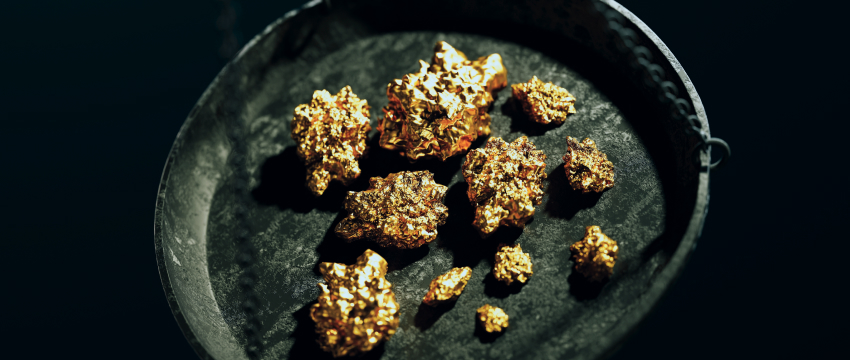
Scrap gold is essentially any gold item that’s valued for the metal it contains rather than its design, brand or purpose. That could mean broken jewellery, a single earring without its pair, old dental gold, or even worn-out coins that no longer have much collectible value.
The main difference between scrap gold and investment gold comes down to what you’re paying for. With a bullion coin or bar, you’re paying for the gold itself as well as its recognised form, which can carry a premium. These on the other hand, usually gets melted down and refined, so its value mainly depends on two things: how much gold it contains and how pure it is.
How to Calculate the Price of Scrap Gold
This is where many people get confused, so let’s break it down step by step.
The Spot Price
The spot price of gold is essentially the current global market price for one troy ounce of pure gold. In mid-September 2026, gold has been trading around the $4,300 mark, according to Yahoo Finance. This is the starting point refiners and dealers use when valuing gold.
But you won’t usually get the full spot price for your scrap gold. The final amount is adjusted based on the gold’s purity, weight and the dealer’s margin.
Purity and Karat
Gold purity is measured in karats (K). The higher the karat, the more pure gold the piece contains. Here’s how the most common grades compare:
- 24K: 99.9% pure gold
- 18K: 75% pure gold
- 14K: 58.3% pure gold
- 9K: 37.5% pure gold
So, if gold is trading at around $4,300 per troy ounce and you have a 9K piece, only about 37.5% of its weight is pure gold. That gives you a starting point for estimating its value before the dealer’s margin or any other deductions are taken into account.
Weight
Gold is weighed in troy ounces. One troy ounce equals approximately 31.1 grams. Most dealers use digital scales and will weigh your items in front of you, which is a reasonable expectation to have.
The Dealer’s Margin
Dealers won’t usually pay the full spot value of your gold. Buyers need to cover refining costs, overheads and their own margin, so they’ll typically offer less than the theoretical melt value.
Depending on the buyer, an offer might be around 70% to 95% of the calculated melt value. Depending on the buyer, an offer might be around 70–90% of the gold’s theoretical melt value.
What Affects the Scrap Gold Price Right Now?

The market price of gold doesn’t sit still. Several forces push it up or down, and understanding them helps you decide when to sell.
Interest Rate Decisions
Gold prices and interest rates often move in opposite directions. When rates go up, assets that pay interest can become more attractive, which can take some of the shine off gold. Reuters reported in September 2026 that gold fell by more than 1% after the Federal Reserve raised interest rates, showing how quickly the market can react to a policy decision.
Gold can also respond to what’s happening elsewhere in the economy. Reuters noted that the metal reached a one-week high as crude oil prices eased. That link between energy prices, inflation expectations and gold is worth keeping an eye on, particularly if you’re not looking to sell your gold straight away.
Inflation and Macro Conditions
Gold is often viewed as a safe haven when the economic outlook gets uncertain. When inflation expectations start rising, investors may turn to gold as a way to protect the value of their money. Oil prices can play a role too. Crude has been particularly volatile in September 2026, with analysts pointing to supply shocks that have kept prices around the $100-per-barrel mark, according to Yahoo Finance. When energy prices and broader inflation concerns rise, they can provide additional support for gold prices.
Currency Movements
Because gold trades globally in US dollars, changes in the dollar can directly affect its price. When the dollar weakens, gold becomes more affordable for buyers using other currencies, which can boost demand and potentially push prices higher. When the dollar strengthens, the opposite can happen, making gold more expensive for international buyers and potentially weighing on demand.
How to Get a Fair Price for Your Scrap Gold
Knowing what affects the value of your gold is one thing. Making sure you get a fair offer is another.
A few simple steps can help you compare your options:
- Check the spot price on the day you plan to sell, using a reliable financial data source.
- Know your karat before you visit a buyer. Most jewellery has its purity stamped somewhere on the piece.
- Get more than one quote rather than accepting the first offer you receive.
- Ask about the percentage of the melt value each buyer is willing to pay and whether there are any additional fees.
Don’t feel pressured to take the first offer. Comparing a few buyers can make a noticeable difference, particularly if you’re selling a larger amount of gold.
Online Buyers vs Local Dealers
Online gold buyers can sometimes offer competitive rates because they have lower overheads, while local dealers have the advantage of being able to complete the transaction the same day. Neither option suits everyone. Your choice depends on how much gold you’re selling, how quickly you want to get paid, and whether you’re comfortable sending valuable items through the post.
Some people feel more comfortable dealing with a local jeweller they know and trust. Others consider selling directly to a refinery. That sounds straightforward, but there’s a catch: many refineries have minimum weight requirements and don’t buy small quantities directly from individuals.
For most people, that makes a reputable local dealer or online gold buyer the more practical option.
Trading the Gold Price Instead of Selling Physical Gold
There’s another side to the gold market worth knowing about. If you’ve started following scrap gold prices, you might find yourself becoming interested in gold as something you can actively trade, rather than simply something you sell when you no longer need it.
Gold ranks among the world’s most actively traded commodities, and you can gain exposure to its price without owning physical gold. For example, CFDs (Contracts for Difference) allow you to trade on gold price movements, whether the market moves up or down.
If you’re already keeping an eye on gold prices to decide when to sell yours, learning more about how the wider gold market works can be a natural next step. You can follow live prices, study charts and explore different ways of managing your position based on your own approach.
Scrap Gold Prices Change Daily
The main thing to remember is that scrap gold doesn’t have a fixed price. Its value moves with the wider gold market, which can react to interest rate decisions, inflation, currency movements and geopolitical events.
Before you sell, three simple habits can make a real difference: check the current spot price, know the karat of your gold, and compare offers from different buyers. Whether you’re selling a single ring or a bag of old chains, the same basics apply.
And if following gold prices has made you curious about trading the metal itself, you can explore how gold markets work and the different ways traders gain exposure to price movements before deciding whether it’s right for you.
DISCLAIMER: This information is not considered as investment advice or an investment recommendation, but is instead a marketing communication.