




Trading metals presents compelling possibilities for those seeking portfolio diversification and inflation protection. The popular metals to trade offer unique characteristics that respond differently to economic conditions, geopolitical events, and market volatility. Different metals behave differently depending on market conditions, risk appetite, and economic cycles.
For traders exploring global markets, understanding the popular metals to trade can help identify where liquidity, volatility, and demand conditions are most favourable.

What Metals Are Popular to Trade in 2026?
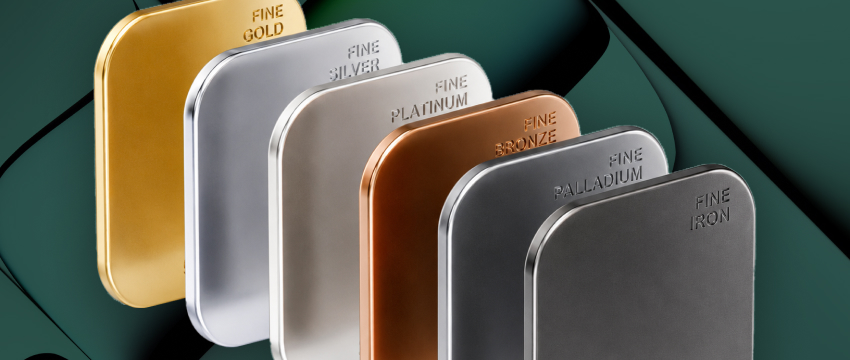
The most popular metals to trade in 2026 include gold, silver, copper, platinum and palladium. Gold remains widely traded as a defensive asset, silver combines investment demand with industrial use, copper reflects economic growth trends, while platinum and palladium offer opportunities linked to the automotive sector.
Popular Metals to Trade: Gold
The precious metal typically responds to inflation concerns and currency debasement. When central banks maintain loose monetary policies, gold often attracts traders seeking value preservation. However, rising interest rates can pressure gold prices as opportunity costs increase. Like other metals, gold reacts strongly to interest rates, inflation, and shifts in global risk sentiment.
Trading Gold Characteristics
Gold exhibits several key trading features that define its market behaviour:
- High liquidity across global markets
- Inverse correlation with the US dollar
- Sensitivity to real interest rates
- Response to geopolitical uncertainty
Many traders access gold through spot contracts, futures, or ETFs.
Silver: The Industrial Precious Metal
Silver occupies a unique position among the popular metals to trade, combining precious metal appeal with industrial demand.
Industrial applications drive a substantial share of silver demand. Electronics, solar panels, and medical equipment require silver’s conductive properties. This industrial component makes silver more volatile than gold, creating both opportunities and risks for traders.
Why Silver is Among the Popular Metals to Trade
The white metal’s price movements often amplify gold’s trends while maintaining independent industrial influences. Manufacturing data, renewable energy policies, and technological innovations directly impact silver demand.
Silver’s lower price point compared to gold makes it accessible to retail traders. Position sizes can be adjusted more precisely, and the metal’s volatility provides frequent trading opportunities.
Platinum: The Automotive Metal
Platinum’s trading profile centres on automotive industry demand, particularly catalytic converters for diesel vehicles. This industrial focus creates price patterns distinct from other precious metals.
Supply constraints add complexity to platinum trading. South Africa produces a large share of global platinum, making the metal sensitive to mining disruptions, labour issues, and political developments in the region.
Recent shifts toward electric vehicles impact long-term platinum demand. However, hydrogen fuel cell technology presents potential new demand sources. This mix of shifting demand and supply constraints makes platinum harder to trade, but also potentially rewarding.
Understanding Platinum Supply Dynamics
Mining complexities create supply bottlenecks that amplify price movements. Unlike gold’s relatively stable production, platinum output faces regular disruptions. Traders monitoring South African mining news often find early indicators of price movements.
The metal’s use in jewellery and investment products provides additional demand layers. However, automotive applications remain the primary price driver, making economic data and automotive sales crucial indicators.
Palladium: The Gasoline Engine Metal
Palladium serves gasoline engines’ catalytic converter needs, creating strong correlation with automotive production. This focused demand base makes palladium highly responsive to automotive industry trends.
Russia and South Africa dominate palladium production, introducing geopolitical risk factors. Trade tensions, sanctions, or mining disruptions can create sharp price movements. These supply risks make palladium one of the most volatile metals in the market.
But the shift to electric vehicles will likely change demand over time, creating both risks and opportunities along the way.
Copper: The Economic Indicator
Copper is often called “Dr. Copper” because it tends to move in line with global economic conditions. Construction, electrical systems, and infrastructure projects drive copper demand, making it sensitive to broader economic conditions.
This is why it is frequently included among the popular metals to trade for macro-focused traders.
China accounts for a significant share of global copper demand, making Chinese economic data crucial for copper traders. Infrastructure spending, housing construction, and manufacturing activity in China directly influence copper prices.
Copper Trading Considerations
Production disruptions from major producing countries create trading opportunities. Chile, Peru, and other South American producers face various challenges that can impact global copper availability.
The metal’s role in renewable energy infrastructure adds a growth component to long-term demand. Wind turbines, solar installations, and electric grid improvements require substantial copper quantities.
Aluminium and Zinc
Aluminium and zinc are also among the most popular metals to trade, offering exposure to different industrial sectors. Aluminium serves aerospace, automotive, and packaging industries, while zinc supports galvanizing and construction applications.
These metals typically exhibit less volatility than precious metals but provide steady correlation with industrial production. Economic data releases, manufacturing surveys, and infrastructure spending announcements influence their price movements.
Trading Infrastructure Metals
Both metals benefit from infrastructure investment cycles. Government spending programs, especially in developing economies, can drive sustained demand increases.
Energy costs significantly impact aluminium production, creating additional price variables. Zinc’s smaller market size can amplify price movements when supply disruptions occur.

Factors That Influence Popular Metals to Trade
Metal prices move for a mix of economic, currency, and supply-side reasons, and traders often watch these closely for signals. While each metal has its own supply and demand dynamics, several broader market influences affect the sector as a whole.
Economic conditions play a significant role in metals trading. Strong economic growth can boost demand for industrial metals such as copper, aluminium and zinc, while periods of uncertainty often increase interest in precious metals like gold and silver. Inflation expectations, central bank policies and interest rate decisions can also influence investor sentiment across metals markets.
Currency movements are another important consideration. Because many metals are priced in US dollars, fluctuations in the currency can impact global demand and price trends. A weaker dollar may support metal prices by making them more affordable for international buyers, whereas a stronger dollar can have the opposite effect.
Mining interruptions, geopolitical developments and changes in government policy can create additional volatility. Mining strikes, export restrictions and environmental regulations may all affect production levels and contribute to price fluctuations that traders monitor closely.
How to Choose Among Popular Metals to Trade
Different metals suit different trading approaches and risk tolerances. Gold and silver remain popular choices for traders seeking defensive exposure, while copper reflects broader economic growth trends. Platinum and palladium may offer higher-risk opportunities linked to automotive demand and supply dynamics. In the end, the right choice among the popular metals to trade depends on how much risk a trader is willing to take and which economic trends they expect to dominate next.
DISCLAIMER: This information is not considered as investment advice or an investment recommendation, but is instead a marketing communication.