




Palladium trading has emerged as one of the most dynamic opportunities in the precious metals market. Unlike gold’s steady allure or silver’s industrial applications, palladium presents unique challenges and opportunities that savvy traders are increasingly recognising.
In this article, we explore the fundamentals of trading palladium, the factors that influence palladium prices, and the considerations traders often monitor when analysing this unique precious metals market. We also examine the role of supply, demand, volatility, and risk management when trading palladium.
Understanding Palladium as a Trading Asset
Palladium stands apart from other precious metals due to its concentrated supply and specific industrial demand. Russia and South Africa control a large share of global production, creating natural supply bottlenecks that can dramatically impact prices.
The automotive industry drives the majority of palladium demand. Car manufacturers use it in catalytic converters to reduce harmful emissions. This industrial focus makes palladium more sensitive to economic cycles than traditional safe-haven metals like gold.
Why Palladium Trading Attracts Modern Traders
The metal’s price volatility creates frequent trading opportunities. Goldman Sachs settled a lawsuit in May 2024 that alleged violations when trading platinum and palladium, highlighting the intense institutional interest in these markets.
Several factors make palladium particularly appealing:
- Limited supply sources concentrate market power
- Strong industrial demand provides fundamental support
- Higher volatility than gold creates more trading opportunities
- Less crowded market than major currency pairs
Market Dynamics That Drive Palladium Prices
Supply-Side Pressures
Russian dominance in palladium production creates geopolitical risk premiums. Recent tensions involving Russia have periodically disrupted supply expectations, sending prices sharply higher.
South African mining operations face their own challenges. Power shortages and labour disputes regularly impact production forecasts. These supply disruptions can persist for months, creating sustained price trends.
Automotive Industry Demand
Vehicle production directly correlates with palladium consumption. Electric vehicle growth initially threatened demand, but hybrid vehicles still require catalytic converters. The transition period actually increased uncertainty, amplifying price swings.
Chinese automotive manufacturing particularly influences palladium markets. Production increases or decreases in China can shift global demand patterns within quarters.

Getting Started with Palladium Trading
Essential Market Knowledge
Before entering palladium trading, understand the key price drivers. Automotive production data, mining output reports, and geopolitical developments all impact prices differently than traditional financial markets.
The London Platinum and Palladium Market sets global benchmark prices. Trading hours span multiple time zones, with peak activity during London and New York sessions.
Choosing Your Trading Approach
Trading plladium offers several methods for new traders:
- Spot palladium contracts for direct price exposure
- Exchange-traded funds tracking palladium prices
- Futures contracts for leveraged positions
- Mining company shares for indirect exposure
Each approach carries different risk profiles and capital requirements. Spot trading provides straightforward price exposure, while futures offer leverage but require margin management.
Risk Management
Volatility Considerations
Palladium’s price swings can be substantial. Daily moves of 3-5% can occur during market stress. Position sizing becomes crucial when trading such volatile assets.
Set clear stop-loss levels before entering positions. Palladium’s tendency for gap openings can make traditional stops less effective during major news events.
Fundamental Analysis Factors
Monitor automotive production statistics from major manufacturers. Quarterly earnings reports often contain forward guidance on vehicle production that impacts palladium demand.
Track Russian and South African mining news closely. Political developments, labour agreements, and production forecasts from these regions directly affect global supply.
Technical Analysis for Palladium Trading
Chart Patterns and Indicators
Palladium responds well to traditional technical analysis, though fundamental shocks can override technical signals. Moving averages work effectively during trending periods.
Support and resistance levels often hold significance due to institutional trading activity. Large funds frequently use these levels for position entries and exits.
Seasonal Patterns
Automotive production cycles create seasonal demand patterns. Spring typically sees increased production as manufacturers prepare for summer sales periods. This seasonal element is one of several factors that may influence palladium market analysis.
Advanced Strategies When Trading Palladium
Spread Trading Opportunities
Palladium-to-platinum ratios offer advanced trading angles. These metals share similar industrial applications but different supply dynamics. When ratios reach historical extremes, mean reversion opportunities emerge.
Gold-to-palladium spreads also provide trading ideas. During economic uncertainty, this spread can widen or narrow based on safe-haven versus industrial demand shifts.
News-Based Palladium Trading
Palladium markets react sharply to specific news categories. Mining accidents in South Africa or Russian export restrictions can trigger immediate price movements.
Automotive industry developments create trading opportunities. New emissions standards or electric vehicle adoption rates influence long-term demand projections.
Platform Features for Effective Trading
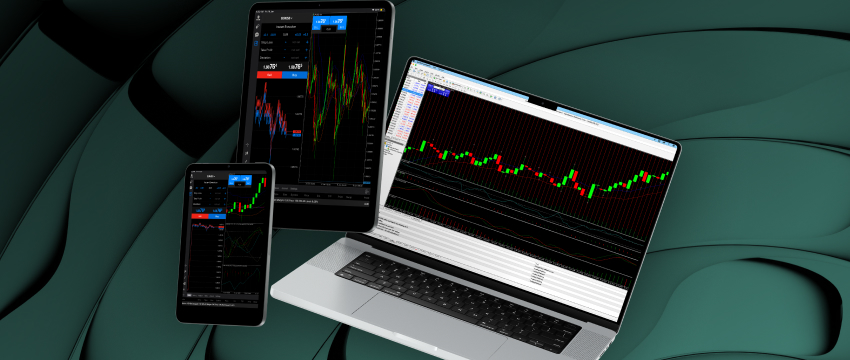
Monitoring the palladium market requires robust platform capabilities. Real-time news feeds become essential given how quickly fundamental developments impact prices.
Trading Sphere provides access to palladium trading through its trading platforms, along with market analysis tools and risk management features to help traders monitor and manage their positions.
Advanced charting capabilities help identify key technical levels. Multiple timeframe analysis becomes particularly important given palladium’s tendency for rapid trend changes.
Common Mistakes New Palladium Traders Make
Underestimating Volatility Impact
New traders often use position sizes appropriate for forex or stock markets. Palladium’s higher volatility requires smaller positions to maintain equivalent risk levels.
Leverage amplifies both gains and losses significantly in volatile markets. Conservative leverage ratios prevent single trades from causing substantial account damage.
Ignoring Supply-Side News in Palladium Trading
Unlike financial markets driven by interest rates and earnings, palladium responds primarily to physical supply and demand. Ignoring mining sector developments leads to unexpected losses.
Russian political developments require constant monitoring. Supply disruption fears can persist for weeks or months, creating sustained price trends.
Building Your Palladium Trading Knowledge
Essential Information Sources
Follow automotive industry publications for demand-side insights. Production forecasts and new model announcements provide forward-looking demand indicators.
Mining sector news services cover supply-side developments. Labour negotiations, production reports, and exploration updates all influence price expectations.
Central bank policies affect all commodities, but palladium’s industrial focus makes it less sensitive to monetary policy changes than gold or silver.
Developing Market Intuition
Start with smaller position sizes while learning palladium’s unique characteristics. The market behaves differently from currencies or stocks due to its concentrated supply base.
Track correlation patterns with related markets. Platinum prices, automotive stocks, and general commodity indices provide context for palladium movements.
Paper trading helps develop familiarity without financial risk. Practice identifying key support and resistance levels before committing real capital.
Conclusion
Palladium trading offers unique opportunities for traders willing to understand its distinct market dynamics. The combination of concentrated supply, specific industrial demand, and resulting volatility creates regular trading possibilities that don’t exist in more liquid markets.
Success requires respecting the metal’s volatility while staying informed about automotive industry trends and geopolitical developments affecting major producing regions. Whether you’re drawn to fundamental analysis of supply-demand imbalances or technical patterns in volatile markets, trading palladium demands thorough preparation and disciplined risk management.
Start with comprehensive research and conservative position sizing. The palladium market rewards traders who combine solid fundamental understanding with appropriate risk management techniques.
DISCLAIMER: This content is for general informational and educational purposes only and should not be considered investment advice or investment recommendation.
Preguntas frecuentes
What influences palladium prices?
Palladium prices are often influenced by automotive demand, mining production, geopolitical developments, economic conditions, and overall market sentiment.
Why is palladium considered volatile?
Because global production is concentrated in a small number of countries and industrial demand can fluctuate, palladium prices can experience significant price movements.
What should traders monitor when analysing palladium?
Many traders monitor automotive production data, mining industry developments, geopolitical events, economic releases, and technical market indicators.
Can I trade palladium with Trading Sphere?
Yes. Trading Sphere offers CFDs on palladium, allowing traders to speculate on price movements without owning the physical metal.