




Understanding what is trading is one of the first steps for anyone interested in financial markets. Trading involves buying and selling financial assets with the aim of making a profit from price movements. Today, millions of people participate in global markets, currency pairs, stocks, commodities, and other financial instruments.
Financial markets have become more accessible than ever. Modern technology allows traders to access markets from almost anywhere. However, before placing a trade, it is important to understand how the markets work, what influences prices, and how risk can be managed.
In this article, you will learn all about the financial markets, how they work, and the different assets that traders buy and sell. You will also discover the main types of trading, the risks involved, and how services from TradingSphere can help traders improve their market knowledge.
What Is Trading?
At its simplest, trading involves buying an asset at one price and selling it at another. Traders aim to profit from changes in market prices.
Unlike long-term investing, trading often focuses on shorter timeframes. Some traders hold positions for minutes, while others keep transactions open for several days or weeks.
Financial markets operate by matching buyers and sellers. Prices move according to supply and demand. When demand increases, prices often rise. When selling pressure increases, prices may fall.
Understanding all about trading helps traders recognise how markets function and why prices move.
Why Do People Trade?
People participate in financial markets for different reasons. Some seek additional income, while others use trading to diversify their investments.
Common reasons include:
- Potential profit opportunities.
- Access to global markets.
- Flexible trading schedules.
- The ability to trade rising or falling markets.
Trading also allows individuals to participate in various financial sectors without owning physical assets.
How Financial Trading Works
Financial trading involves opening and closing positions through a broker or trading platform.
A trader analyses the market, identifies an opportunity, and places a transaction based on their expectations.
The basic process includes:
- Choosing a market.
- Analysing price movements.
- Opening a position.
- Managing risk.
- Closing the transaction.
The difference between the opening and closing price determines the profit or loss.

Types of Financial Markets
Modern traders can access a wide range of financial markets. Each market has its own characteristics, opportunities, and risks.
What Is Trading in the Forex Market?
The foreign exchange market is the largest financial market in the world. Traders buy one currency while selling another.
Popular currency pairs include EUR/USD, GBP/USD, and USD/JPY.
Stock Market
Stock trading involves buying and selling shares of publicly listed companies. Prices move according to company performance, economic conditions, and investor sentiment.
Commodity Market
Materias primas include assets such as gold, silver, oil, and agricultural products. These markets often react to supply, demand, and geopolitical developments.
Indices Market
Índices measure the performance of groups of stocks. Examples include the S&P 500 and the FTSE 100.
Learning what is trading involves understanding which market best suits your interests and goals.
Different Types of Traders
Not all traders use the same approach. Trading styles vary depending on time commitment, risk tolerance, and market experience.
Day Traders
Day traders open and close positions within the same investment day. They avoid holding positions overnight.
Swing Traders
Swing traders hold positions for several days or weeks. They aim to capture larger market movements.
Position Traders
Position traders focus on long-term trends and may keep transactions open for months.
Scalpers
Scalpers make multiple short-term transactions throughout the day, targeting small price movements.
Choosing the right approach is an important part of understanding what is trading.
What Moves Financial Markets?
Financial markets constantly react to new information.
Several factors influence prices:
- Economic data releases.
- Central bank decisions.
- Political developments.
- Market sentiment.
For example, inflation reports may influence currency markets, while company earnings often affect stock prices.
Traders monitor news and market events to make informed decisions.
Risk Management in Trading
Effective trading requires more than identifying opportunities. Managing risk is equally important.
Some basic risk management principles include:
- Using stop-loss orders.
- Limiting risk per trade.
- Diversifying positions.
- Maintaining realistic expectations.
Many experienced traders focus on protecting capital before seeking more revenue.
Trading Psychology
Emotions play a significant role in investment decisions.
Fear may cause traders to close positions too early. Greed may encourage excessive risk-taking. Discipline and patience often separate effective traders from less-effective ones.
Developing emotional control requires experience, education, and a well-defined investment plan.
The Importance of Education
Continuous learning is essential in financial markets. Market conditions change regularly, and traders must adapt.
TradingSphere provides advanced platforms and competitive trading conditions designed to help traders deepen their understanding of financial markets and core market principles.
By learning about analysis, risk management, and strategies, traders can build confidence and make more informed decisions.
Education helps answer the question what is trading beyond simple definitions by providing practical knowledge and real-world applications.

What Is Trading? Technology and Modern Investment
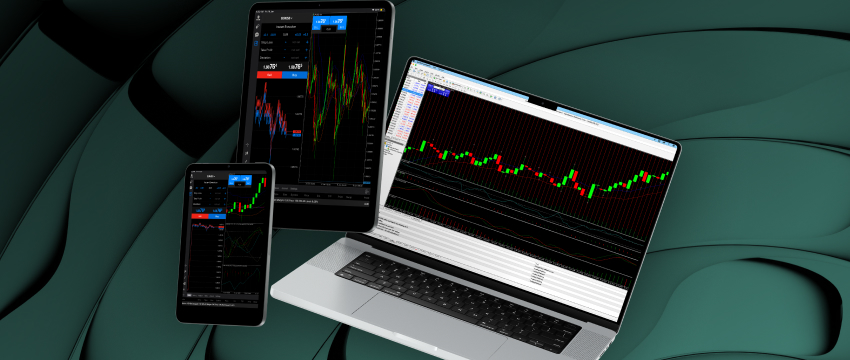
Technology has transformed financial markets. Today, traders can access markets through desktop platforms, mobile applications, and web-based systems.
Modern platforms provide:
- Real-time price data.
- Interactive charts.
- Technical indicators.
- Market analysis tools.
These tools help traders analyse markets and execute trades efficiently.
Technology has made financial trading more accessible than ever before.
Common Mistakes Beginners Make
New traders often face similar challenges.
Common mistakes include:
- Trading without a plan.
- Taking excessive risks.
- Ignoring risk management.
- Letting emotions influence decisions.
Avoiding these mistakes can help traders develop stronger habits and improve their long-term results.
How to Start Trading
Getting started involves several important steps.
First, learn the basics of financial markets. Next, choose a market that interests you. Develop a plan and practise using demo accounts where available.
Education should remain a priority throughout the learning process.
Conclusion
Understanding what is trading provides the foundation for participating in financial markets. Financila investment involves buying and selling financial instruments with the aim of generating revenue from price movements.
An effective invetsment journey requires education, risk management, discipline, and continuous improvement. Financial markets offer opportunities, but they also involve risks that every trader must understand.
By learning what trading is, developing a strategy, and building market knowledge, traders can approach the markets with greater confidence and realistic expectations.
Preguntas frecuentes
What is trading?
Trading involves buying and selling financial assets to potentially profit from price movements.
What markets can traders access?
Traders can access forex, stocks, commodities, indices, and other financial markets.
Is trading risky?
Yes. Financial markets can move unpredictably, and traders can lose money if risks are not managed properly.
How long do traders hold positions?
Some traders hold positions for minutes, while others keep trades open for weeks or months.
How can TradingSphere help new traders?
Trading Sphere provides the conditions and platforms to help traders improve their understanding of financial markets and investment concepts.
DISCLAIMER: This content is for general informational and educational purposes only and should not be considered investment advice or investment recommendation.