





What is indices trading? Indices trading is the buying and selling of financial instruments that track the performance of a stock market index. It allows traders to speculate on the overall movement of a group of companies rather than individual stocks such as Apple or Microsoft.
Unlike trading individual company shares, you’re essentially trading the collective movement of multiple companies at once. The S&P 500, for instance, tracks 500 of America’s largest companies, while the NASDAQ focuses on technology-heavy stocks.
Understanding Indices Trading
Indices trading allows traders to gain exposure to the performance of an entire market, industry, or group of companies through a single position, rather than trading individual stocks.
A stock market index measures the performance of a group of companies. When trading indices, you speculate on whether the value of that index will rise or fall rather than buying individual company shares.
This makes indices trading a popular choice for traders seeking diversification, liquidity, and access to major global markets.
Understanding Stock Market Indices
An index serves as a benchmark for measuring market performance. Think of it as a basket containing carefully selected stocks that represent a particular market segment.
The companies included in each index vary based on specific criteria. Market capitalisation, trading volume, and sector representation all play roles in selection. Some indices weight companies equally, while others give more influence to larger companies.
Popular stock market indices include the S&P 500, NASDAQ-100, Dow Jones Industrial Average, FTSE 100, DAX 40, and Nikkei 225. These are widely used by traders and investors to assess market performance and identify trading opportunities.
How does Indices Trading Work?
When you trade indices, you are speculating on the price movement of a stock market index rather than owning the underlying assets.
These instruments include:
- Index funds
- Exchange-traded funds (ETFs)
- Derivatives like contracts for difference (CFDs)
Each offers different advantages depending on your trading goals and capital requirements.
Traders can access index markets through CFDs, ETFs, futures contracts, and index funds, depending on their strategy and experience level.
CFDs are particularly popular because they allow traders to speculate on rising or falling markets using leverage.
Leverage can amplify both profits and losses, meaning a relatively small market movement can have a much larger impact on your position.
A 1% move in the underlying index might result in a 10% change in your position value, depending on the leverage used.

Types of Indices Available for Trading
Understanding the different types of indices can help traders choose markets that align with their investment goals and market outlook.
Regional Indices
Regional indices represent specific geographic markets such as:
- S&P 500 (US)
- FTSE 100 (UK)
- DAX 40 (Germany)
- Nikkei 225 (Japan)
These indices reflect local economic conditions, currency strength, and political events.
Sector-Specific Indices
Sector indices track specific industries such as:
- Technology (NASDAQ-100)
- Financials
- Healthcare
- Energy
They allow traders to focus on specific economic themes instead of entire markets.
Volatility Indices
The VIX, known as the “fear index,” measures market volatility expectations. It typically rises during market stress and falls during calm periods.
Trading volatility indices requires understanding market psychology and risk sentiment. These instruments often move inversely to major stock indices.
Why Trade Indices
Diversification stands out as the primary reason for indices trading. Instead of risking capital on a single company’s performance, you spread exposure across multiple stocks simultaneously.
Transaction costs typically remain lower compared to building a diversified portfolio of individual stocks. One trade gives you exposure to hundreds of companies.
Indices also provide transparency in pricing. The underlying components are publicly known, making it easier to analyse potential price movements. No single company’s earnings surprise can derail your entire position.
Market hours extend beyond traditional stock exchanges in many cases. Some brokers offer indices trading nearly 24 hours a day, accommodating different time zones and trading preferences.
Higher Liquidity in Indices Trading
Major global indices typically attract substantial trading volume, resulting in tighter spreads and efficient trade execution. This makes them attractive for both short-term and long-term traders.
Key Factors That Move Index Prices
Economic indicators significantly impact index movements. GDP growth rates, employment figures, and inflation data all influence investor sentiment toward broad market performance.
Corporate earnings seasons create substantial volatility. When major index components report quarterly results, the collective impact can drive significant price movements.
Central bank policies affect indices through interest rate decisions and monetary policy announcements. Lower rates generally support higher valuations, while rate increases can pressure markets.
Geopolitical events and trade relationships between major economies also move indices. Brexit negotiations, trade wars, and international conflicts all create uncertainty that translates into price volatility.
Currency fluctuations can also influence certain indices, particularly when large multinational companies generate significant revenue overseas.
Getting Started with Indices Trading
Choosing Your Trading Approach
Decide whether you prefer short-term or long-term strategies. Day traders focus on intraday price movements, while swing traders hold positions for days or weeks.
Position sizing becomes crucial given the leverage available. Risk management rules should limit individual trade exposure to a small percentage of your total capital.
Platform Selection
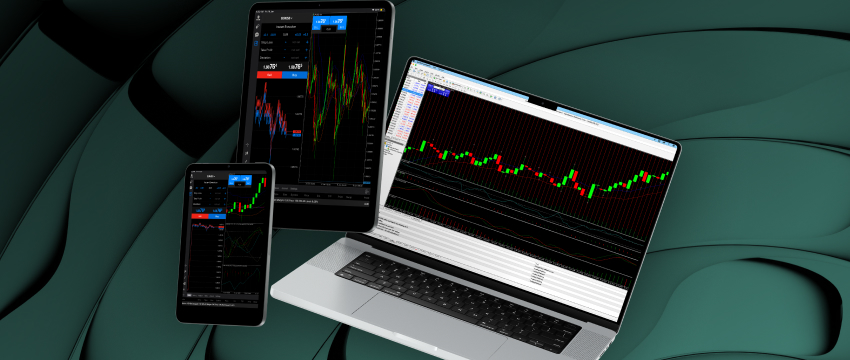
Modern trading platforms offer real-time index quotes, charting tools, and news feeds.
Look for platforms offering economic calendars, technical analysis tools, and risk management features like stop-losses and take-profit orders.

Common Trading Strategies for Indices
Trend following strategies work well with indices since they tend to exhibit cleaner directional movements compared to individual stocks. Moving averages and momentum indicators help identify trend direction and entry points.
Range trading suits indices that move between established support and resistance levels. This approach works particularly well during periods of low volatility.
Breakout trading focuses on identifying moments when an index moves beyond key support or resistance levels, often following major economic announcements or periods of consolidation.
News-based trading involves positioning ahead of major economic announcements or earnings seasons. Understanding how different events typically impact specific indices helps inform timing decisions.
Conclusion
Understanding what indices trading is can help traders gain exposure to broad market movements through a single position. By combining market knowledge, risk management, and a clear trading strategy, traders can make more informed decisions when trading global indices.
CLAUSE DE NON-RESPONSABILITÉ : Ces informations ne constituent ni un conseil en investissement ni une recommandation d’investissement. Il s’agit d’une communication à caractère marketing.