






At first glance, white gold vs silver can feel like a simple style choice—two shiny metals that seem almost identical under the bright lights of a jewelry store. Both reflect light beautifully, both have that clean, modern “white metal” look, and both can easily pass for each other to an untrained eye.
But once you take a closer look, the differences start to matter in ways that go far beyond appearance. From how they’re created to how they behave over time, the comparison of white gold vs silver becomes much more meaningful than just visual appeal.
White gold is carefully engineered by blending pure gold with stronger white metals and finishing it with a rhodium coating, giving it a polished, high-end finish. Silver, on the other hand, is a naturally occurring metal that has been used for centuries in jewelry and design, valued for its bright shine and simplicity.
Over time, these differences become even more noticeable. White gold tends to maintain its structure and luxurious finish with proper care, while silver can gradually tarnish or show wear more quickly with daily use.
In the end, the contrast in these two is not just about looks. It means lifestyle, durability, and intention.
One reflects luxury and craftsmanship, while the other stands out for its accessibility, versatility, and effortless everyday charm.
But let’s start first with what white gold represents, shall we?
What is White Gold?
White gold is not found in nature in its final form. Instead, it’s created by blending pure gold with white metals such as palladium, nickel, or silver. To give it that bright, mirror-like finish, it’s usually coated with rhodium.
In the discussion of white gold vs silver, white gold is often seen as the more premium option. It’s commonly chosen for engagement rings and fine jewelry because it combines the prestige of gold with a modern, silvery look. Over time, however, that rhodium layer may fade, meaning occasional maintenance is needed to restore its original shine.
What is Silver?
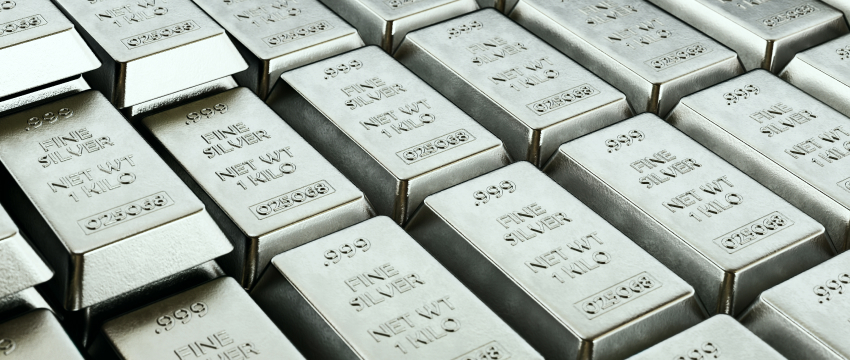
Silver is a naturally occurring metal that has been valued for centuries. It has a bright, elegant glow that makes it a favorite in both traditional and modern jewelry designs.
When looking at white gold vs silver, silver is clearly the more accessible and budget-friendly choice. It’s widely used in fashion jewelry and everyday pieces. However, it is softer than white gold, which means it can scratch more easily and may tarnish when exposed to air and moisture.
White Gold vs Silver: Look and Feel
Although these precious metals can appear nearly identical at first glance, the difference becomes clearer when you pay attention to tone and texture. White gold often has a slightly warmer, more polished finish due to its gold base and rhodium coating. Silver, on the other hand, tends to have a cooler, more natural brightness.
Durability also separates the two. White gold is stronger and holds its shape better over time, making it ideal for pieces worn daily. Silver is more delicate and may show signs of wear sooner, especially with frequent use.
Price and Long-Term Value
Price is one of the biggest deciding factors in white gold vs silver. White gold is significantly more expensive because it contains real gold and often requires additional finishing processes.
Silver is much more affordable, making it a popular choice for fashion-focused buyers. While white gold tends to hold its value better over time, silver wins in terms of accessibility and variety.
White Gold vs Silver: Care and Maintenance
Maintenance plays an important role in this particular comparison. White gold may need occasional rhodium re-plating to maintain its bright white finish.
Silver requires a different kind of care. It naturally reacts with air, which can cause tarnishing over time. Regular polishing helps keep it looking bright and clean, but it does require more frequent attention than white gold.
Which One Makes More Sense?
Choosing between white gold vs silver ultimately comes down to lifestyle and expectations. If you want something durable, premium, and long-lasting, white gold is usually the better fit. If you prefer something stylish, affordable, and easy to replace or rotate, silver makes more sense.
Both have their place, and neither is “better” in every situation—it’s more about what suits your style and how you plan to wear it.
White Gold vs Silver in Trading and Investment
Beyond jewelry, both metals are sometimes discussed from an investment perspective, and the comparison of these two becomes even more interesting in financial markets. For investors, the key difference is not just appearance or durability, but how each metal fits into broader trading and long-term investment strategies.
White Gold as an Indirect Investment
White gold itself is not traded as a standalone commodity. Instead, its value is indirectly tied to gold prices, since gold makes up its core component. This means its performance is influenced by macroeconomic factors such as inflation, interest rates, currency strength (especially the U.S. dollar), and global geopolitical uncertainty.
In this sense, white gold is more aligned with wealth preservation and long-term value stability rather than active speculation. However, this also limits its flexibility, as it cannot be directly traded on commodity markets like gold or silver.
Silver as an Active Trading Commodity
Silver, on the other hand, is actively traded as a global commodity and is known for its higher volatility. This makes it more attractive to traders looking for short- to medium-term opportunities.
Price movements are often driven by industrial demand, economic data releases, and shifts in investor sentiment. Silver also benefits from strong real-world usage in industries such as electronics, solar energy, and advanced manufacturing, which adds consistent demand beyond investment interest.
Trading and Investment Perspective
From a trading and investment goal perspective, silver offers greater liquidity and more frequent opportunities for entry and exit. However, this also comes with increased risk due to its rapid price fluctuations. White gold, in contrast, provides indirect exposure to gold’s stability, making it more suitable for investors focused on long-term security rather than active trading.
In the broader comparison of these two precious metals, silver is better suited for active trading strategies with higher risk-reward potential, while white gold represents a more passive, stability-oriented exposure through its connection to gold.

Summary: White Gold vs Silver
The debate around white gold vs silver is not really about choosing a clear winner, but about understanding what each metal offers and how those qualities align with different needs, whether in jewelry or even broader value perception.
White gold is often chosen for its durability, refined appearance, and sense of luxury, making it a strong option for meaningful or long-term pieces such as engagement rings and heirloom jewelry. It carries a level of prestige and resilience that appeals to those looking for something lasting, elegant, and more investment-oriented in terms of value retention.
Silver, on the other hand, stands out for its accessibility, natural brightness, and everyday versatility. It offers an attractive and elegant look at a more affordable price point, making it ideal for fashion jewelry or pieces that may be worn more casually and frequently. While it may require more maintenance over time, its charm lies in its simplicity, flexibility, and wide availability.
From a broader perspective, these differences also reflect how each metal is viewed in terms of value and usage—white gold leaning toward long-term stability and premium positioning, while silver emphasizes accessibility and practical use.
Understanding these differences helps you move beyond surface-level appearance and choose something that truly fits your lifestyle, budget, and long-term expectations—ensuring your choice feels right not just today, but for years to come.
CLAUSE DE NON-RESPONSABILITÉ : Ces informations ne constituent ni un conseil en investissement ni une recommandation d’investissement. Il s’agit d’une communication à caractère marketing.