





Forex trading for beginner traders opens up a world where currencies flow like rivers, creating potential opportunities to generate revenue around the clock. The foreign exchange market handles over $7,5 trillion in daily volume, making it the largest financial market globally. This massive liquidity means beginners can start with small amounts and still access real market conditions.
Getting started feels overwhelming when you’re staring at charts filled with mysterious currency pairs and fluctuating numbers. But every successful trader started exactly where you are now.
In this article, we’ll explain the essentials of forex trading for beginner traders, including how the forex market works, which currency pairs to focus on, and how to build a solid foundation before placing your first trade.
You’ll also learn about risk management, trading strategies, market sessions, and common mistakes beginners should avoid when starting their forex trading journey.
What Is Forex Trading for Beginner Traders
Forex trading involves buying one currency while simultaneously selling another. Think of it as digital currency exchange, but instead of swapping holiday money, you’re speculating on which direction exchange rates will move.
Currency pairs like EUR/USD represent the relationship between two economies. When you buy EUR/USD, you’re betting the euro will strengthen against the dollar. If the pair rises from 1.0500 to 1.0600, you’ve made a profit.
The forex trading for beginner journey starts with understanding these basic mechanics. Unlike stocks, forex markets never close during weekdays. Trading sessions overlap across London, New York, Tokyo, and Sydney, creating constant price movement.
Why Currency Markets Matter
Economic events drive currency values every single day. When central banks adjust interest rates, currencies react instantly. Political announcements, trade agreements, and economic data releases all create trading opportunities.
Recent market volatility has shown how quickly currencies can move. The technology sector’s performance, reflected in companies like Qualcomm and Micron experiencing significant share movements, often influences currency pairs involving the US dollar.
Currency trading offers several advantages over other markets:
- Low barriers to entry with micro-lot trading
- High liquidity ensuring easy order execution
- Leverage options to amplify potential returns
- 24-hour market access during weekdays
Essential Currency Pairs to Know
Major currency pairs dominate trading volume and offer the tightest spreads. EUR/USD remains the most traded pair, followed by GBP/USD and USD/JPY. These pairs move predictably during specific trading sessions.
Minor pairs exclude the US dollar but include major economies like EUR/GBP or AUD/JPY. Exotic pairs combine major currencies with emerging market currencies, offering higher potential returns but increased volatility.
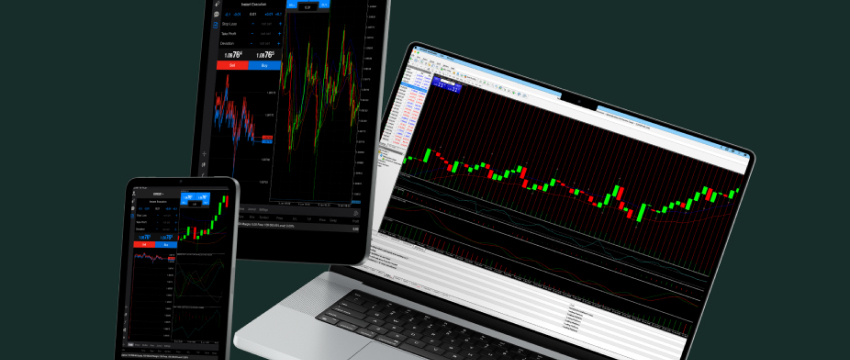
Getting Started with Forex Trading for Beginner Success
Opening your first trading account requires choosing the right broker platform. Trading Sphere offers beginner-friendly features, a flexible trading environment and 24/5 multilingual support to help traders at every stage.
Demo accounts let you trade with virtual money while learning the basics of forex trading for beginner traders. Spend at least a month practising before risking real capital. This preparation period helps you understand order types, chart reading, and emotional management.
Setting Up Your Forex Trading for Beginner Environment
Your trading setup doesn’t require expensive equipment. A reliable internet connection and basic computer suffice for most strategies. Professional traders often use multiple monitors, but beginners can start with a single screen.
Download your broker’s trading platform and familiarise yourself with its layout. Most platforms offer similar features: price charts, order placement tools, account information, and news feeds. Spend time exploring each section.
Chart analysis forms the backbone of most trading strategies. Price charts display currency pair movements over different timeframes. Start with daily charts to understand longer-term trends, then progress to shorter timeframes.
Technical indicators help identify potential entry and exit points. Moving averages show trend direction, while oscillators like RSI indicate overbought or oversold conditions. Don’t overload charts with too many indicators initially.
Trading Sphere offers both MT4 and MT5 platforms to suit the needs of all traders.
Risk Management Fundamentals
Successful forex trading for beginner traders requires strict risk management rules. Never risk more than 1-2% of your account on a single trade. This conservative approach protects your capital during inevitable losing streaks.
Stop-loss orders automatically close trades when prices move against you. Set these levels before entering any position. Take-profit orders lock in gains when prices reach your target level.
Position sizing determines how much currency you buy or sell. Smaller positions reduce risk but limit potential profits. Calculate position sizes based on your stop-loss distance and risk tolerance.
Building Your Forex Trading for Beginner Strategy
Fundamental analysis examines economic factors affecting currency values. Interest rate decisions, inflation data, and employment figures drive long-term currency trends. Economic calendars help you track upcoming announcements.
Technical analysis studies price charts and patterns to predict future movements. Support and resistance levels mark areas where prices tend to reverse. Trend lines connect price highs or lows to show direction.
Effective strategies combine both approaches. Use fundamental analysis to identify overall market direction, then apply technical analysis for precise entry and exit timing.
Popular Trading Approaches for Beginners
Day trading involves opening and closing positions within the same trading day. This approach requires constant market monitoring but eliminates overnight risk. Scalping takes this further with very short-term trades lasting minutes.
Swing trading holds positions for several days or weeks, capturing medium-term price movements. This style suits part-time traders who cannot monitor markets constantly. Position trading extends timeframes to months or years.
Choose an approach matching your available time and temperament. Day trading demands intense focus, while swing trading allows more flexibility.

Common Beginner Mistakes to Avoid
Overtrading represents the biggest mistake beginner investors make, according to financial education experts. New traders often feel compelled to constantly have positions open. Quality opportunities require patience.
Emotional trading destroys accounts faster than poor strategy. Fear causes premature exits from successful trades. Greed leads to oversized positions and ignored stop-losses. Develop rules and stick to them regardless of emotions.
Lack of proper education costs beginners dearly. Jumping into live trading without understanding the basics of forex trading for beginner traders almost guarantees losses. Invest time in learning before risking capital.
Advanced Concepts for Growing Traders
Leverage amplifies both profits and losses in forex trading. A 50:1 leverage ratio means controlling £50,000 worth of currency with £1,000 capital. While tempting, high leverage increases risk dramatically.
Start with low leverage ratios until you gain experience. Many successful traders use 10:1 or lower leverage to preserve capital during learning phases.
Correlation analysis examines how different currency pairs move relative to each other. EUR/USD and GBP/USD often move in similar directions due to economic ties. Understanding correlations prevents over-exposure to similar trades.
Forex Trading for Beginner Market Sessions and Timing
Asian session trading typically shows lower volatility with steady trends. European session overlap with Asian markets creates increased activity around major announcements.
New York session generates the highest volume when both American and European markets operate simultaneously. This overlap from 1 PM to 5 PM GMT offers the most trading opportunities.
Economic news releases cause immediate price spikes. Avoid trading during major announcements unless you understand news trading strategies. Volatility can stop out positions quickly.
Choosing the Right Broker Platform
Look for platforms offering educational resources, competitive spreads, and reliable execution.
Spreads represent the difference between buying and selling prices. Tighter spreads reduce trading costs, especially for frequent traders. Variable spreads fluctuate with market conditions while fixed spreads remain constant.
Account types vary from micro accounts with small minimum deposits to standard accounts requiring larger initial funding. Start small and upgrade as your skills and capital grow.
Customer support quality matters when problems arise. Test broker responsiveness before funding accounts. Reliable platforms offer multiple contact methods and quick response times.
Conclusion
The forex trading for beginner journey requires dedication, continuous learning, and disciplined risk management. Start with demo trading, progress gradually to live accounts, and never stop educating yourself about market dynamics.
Success comes from consistent application of proven strategies rather than seeking quick profits. With proper preparation and realistic expectations, currency trading canbecome a valuable skill for building long-term wealth.
DISCLAIMER: This information is not considered as investment advice or an investment recommendation, but is instead a marketing communication.