




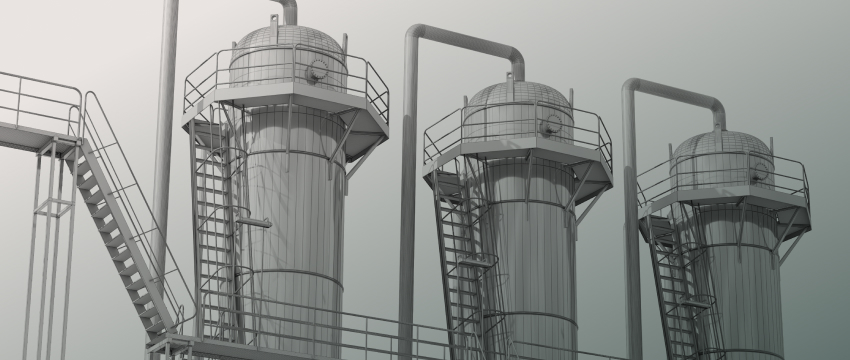
Future natural gas is becoming an important focus for traders who follow energy markets. Demand shifts, supply changes, and global policy decisions continue to influence price direction. Many traders now watch this market closely for both short-term and long-term opportunities.
This product is shaped by industrial demand, weather patterns, and geopolitical events. These factors create constant movement and trading interest across global exchanges.
It has also gained attention due to increasing global energy uncertainty and the transition toward cleaner fuel sources. This has made its price behaviour more dynamic compared to many traditional commodities.
In this article, we will explore how the market works, what drives price changes, and how traders approach it using different strategies and tools.
What drives future natural gas markets
The market for energy commodities is highly sensitive to global conditions. Natural gas reacts quickly to changes in demand and supply. This makes it both exciting and challenging for traders.
Why demand matters
Demand plays a central role in price movements. Heating needs during winter and cooling demand during summer both affect consumption levels.
Industrial usage also contributes significantly. Many factories rely on gas as a cost-efficient energy source.
Weather forecasts often influence short-term expectations in the market.
In addition, export demand from major consuming regions can rapidly change global pricing dynamics, especially during extreme weather conditions.
Demand also varies across different regions of the world. Economic growth, population changes, and infrastructure development all influence natural gas consumption over time.
Emerging economies may require more energy as industries expand, while developed countries often adjust demand through efficiency improvements and changing energy policies.
Understanding these broader demand trends helps traders build a clearer picture of the factors that can influence natural gas prices beyond short-term seasonal fluctuations.
Key supply influences
Supply levels are equally important. Production output from major exporting countries can shift pricing quickly.
Storage reports also provide insight into available supply. Lower storage levels often support higher prices.
Infrastructure issues, such as pipeline disruptions, can also impact availability.
Future natural gas reacts strongly to these supply conditions, making it highly responsive to news events.
Geopolitical tensions between producing nations and importing regions can further intensify price volatility in natural gas markets.

Future natural gas supply and demand outlook
Long-term expectations for energy markets continue to evolve. Natural gas is influenced by global transition trends and shifting energy policies.
Governments are balancing traditional energy needs with renewable energy development.
Global energy transition impact for Future natural gas
The move towards cleaner energy affects long-term demand patterns. However, natural gas still plays a key transitional role.
Many countries rely on it as a backup for renewable energy sources.
This balancing act keeps the market active and relevant.
Natural gas is therefore often seen as a “bridge fuel” in global energy strategy discussions, supporting stability during the transition phase.
Seasonal consumption patterns
Seasonality remains one of the strongest price drivers.
- Winter increases heating demand
- Summer raises electricity demand
- Shoulder seasons reduce consumption
- Extreme weather creates volatility
Natural gas often reacts strongly during these seasonal shifts. Energy traders monitor these cycles closely for timing opportunities.
It also reflects expectations about future storage levels and production adjustments.
Historical data shows that seasonal patterns can sometimes outweigh short-term economic indicators in influencing natural gas prices.
Trading strategies for future natural gas
Traders use different approaches depending on their experience and goals. Future natural gas offers both short-term and long-term opportunities.
Short-term trading approaches
Short-term traders focus on price fluctuations driven by news and volatility.
They often react to:
- Inventory reports
- Weather updates
- Geopolitical news
- Economic data releases
Future natural gas can move quickly during these events, creating trading opportunities.
Long-term positioning
Long-term traders focus on broader trends in energy supply and demand.
They analyse:
- Global production forecasts
- Energy policy changes
- Infrastructure investments
- Economic growth trends
Natural gas can trend strongly when macro conditions align.
Institutional traders often hold exposure to natural gas through diversified commodity portfolios to reduce risk.
Risk management approach
Risk control is essential in energy trading. Price swings can be sharp and unpredictable.
Traders often use:
- Stop-loss orders
- Controlled position sizing
- Diversification across assets
Trading natural gas futures requires disciplined risk management due to its volatility.
Many experienced traders reduce exposure during major news releases to avoid unpredictable spikes.
Alongside risk management, many traders combine technical and fundamental analysis to make more informed decisions.
Technical indicators can help identify potential entry and exit points, while economic reports, weather forecasts, and energy market news provide valuable context for broader trends.
Using both approaches together allows traders to assess opportunities more effectively and respond to changing market conditions with greater confidence.
Risks in natural gas trading
All energy markets carry risk, and this one is no exception. Natural gas is known for sudden and sharp price changes.
Volatility considerations
Price swings can occur within short periods. Weather changes alone can shift market sentiment quickly.
Unexpected news events can also cause rapid movement. This volatility can create both opportunities and losses within the same trading session.
External market influences
Several external factors affect pricing:
- Geopolitical tensions
- Economic slowdowns
- Policy changes
- Supply chain disruptions
Natural gas responds strongly to these developments.Currency fluctuations can also indirectly affect its pricing for international traders.
Liquidity and timing risks
Liquidity can vary depending on trading sessions. Lower liquidity periods may increase spread costs.
Timing becomes an important factor for active traders.
Future natural gas trading works best when combined with strong market awareness and preparation.
Trading activity is usually highest during overlapping global market sessions, when participation increases significantly.

How can Trading Sphere help?
Trading Sphere provides access to global markets, including energy commodities. Traders can explore opportunities in markets like this using advanced trading platforms.
The broker offers services and tools that help traders analyse price movements, manage risk, and react to market changes effectively.
Traders can also enjoy an upgradable account and advanced MetaTrader 4 and MetaTrader 5 platforms designed to suit different trading strategies.
Conclusion
Future natural gas continues to attract attention due to its strong connection to global energy demand. It is influenced by weather, supply levels, and long-term economic trends.
This instrument offers opportunities for both short-term traders and long-term investors. However, it also requires careful planning and risk control.
Understanding market drivers, seasonal patterns, and global developments helps traders make more informed decisions.
With proper preparation and the right tools, traders can approach natural gas with greater confidence and clarity.
As global energy systems continue to evolve, natural gas is expected to remain a key market for traders seeking volatility and opportunity in the energy sector.
With access to global energy markets and trading resources through Trading Sphere, traders can build the knowledge and confidence needed to navigate natural gas futures more effectively as market conditions continue to evolve.
DISCLAIMER: This content is for general informational and educational purposes only and should not be considered investment advice or investment recommendation.