




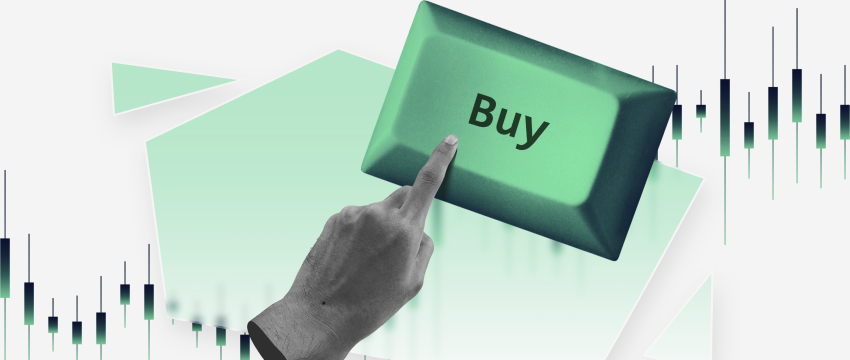
What is FOMO in trading? FOMO in trading is the fear of missing out on profitable market opportunities, which causes traders to make impulsive buying or selling decisions without following a structured strategy.
What is FOMO in trading the psychology behind of
FOMO in trading is a psychological bias where traders believe they are missing profitable opportunities, which leads to emotional rather than logical decision-making.
What is FOMO and why traders fall for it becomes clear when we understand that emotional bias overrides rational analysis in fast-moving markets.
This emotional response triggers impulsive decisions that often contradict sound trading principles.
This effect becomes stronger during volatile market conditions when rapid price movements create urgency and emotional pressure.
Recent market data shows this pattern clearly. During the 2021 meme-stock frenzy, retail investor sentiment reached extreme bullish levels. Many traders abandoned their strategies to chase trending stocks, often entering positions at peak prices.
The Neurological Response
When experiencing Fear of Missing Out in trading, the brain activates both reward and stress systems:
- Dopamine increases (reward anticipation)
- Cortisol increases (stress response)
- Rational decision-making decreases
What is FOMO in trading and how to trigger it
Social Media and Market Hype
Social media amplifies Fear by showing only winning trades, creating a false perception of consistent profitability among traders.
Market Volatility Spikes
Sharp price movements often trigger FOMO in trading as traders fear missing continued momentum.
Gold’s moves around its October highs and subsequent declines demonstrate this pattern. Many traders who bought during the initial surge experienced significant losses when momentum faded.
News and Expert Predictions
Breaking financial news creates urgency that pushes traders into impulsive decisions. Headlines suggesting “limited time opportunities” or “once-in-a-lifetime trades” exploit FOMO psychology.
Expert predictions on social platforms compound this effect. When respected traders share bullish calls, followers feel pressure to act immediately.
What is FOMO in trading and how it impacts trading behaviour through FOMO
Chasing Price Action
FOMO in trading often causes traders to enter positions after a strong move has already happened, usually near short-term highs.
This behaviour creates a predictable pattern. Emotional traders become liquidity for smart money that entered earlier at better prices.
Abandoning Trading Plans
Traders experiencing FOMO in trading often abandon their trading plans and risk management rules.
What is FOMO in trading and why traders fall for it becomes obvious here. Fear overrides discipline.
The fear of missing profits overrides years of disciplined training. What is FOMO in trading if not the enemy of consistency?
Over-leveraging Positions
FOMO convinces traders they need bigger positions to catch up with perceived missed opportunities. FOMO in trading can lead traders to overleverage positions in an attempt to recover missed opportunities quickly.
Many brokers offer high leverage ratios that enable this behaviour.
What is FOMO in trading: The Cost of FOMO-Driven Decisions
Financial Losses
FOMO trading often results in buying at highs and selling at lows, leading to consistent losses over time. Emotional entries often coincide with temporary price peaks before reversals.
Research indicates retail traders underperform market averages partly due to FOMO-driven timing mistakes. The cycle of chasing momentum destroys account equity over time.
Psychological Damage
Repeated FOMO losses reduce confidence and increase emotional instability in future trading decisions. Confidence erodes while self-doubt increases, making future decision-making even more difficult.
This psychological scarring can persist long after financial recovery. Some traders never regain their edge after experiencing severe FOMO-induced drawdowns.
Destroyed Trading Discipline
FOMO in trading gradually destroys discipline and weakens structured decision-making systems. Once emotional trading becomes habitual, returning to disciplined methods requires significant effort.
The habit of reactive decision-making spreads to other areas. Traders lose trust in their analytical abilities and planning processes.
What is FOMO in trading? Recognising FOMO Before it Strikes Explained
Physical Warning Signs
Your body provides early FOMO alerts through physical sensations. Increased heart rate, sweaty palms, or restless energy often precede impulsive trades.
Shallow breathing or muscle tension signal emotional activation. Learning to recognise these symptoms creates intervention opportunities.
Mental Red Flags
Thought patterns reveal FOMO development before actions occur. Phrases like “I’m missing everything” or “Everyone else is making money” indicate dangerous thinking.
Urgency thoughts also signal trouble. When you feel pressure to trade immediately without analysis, FOMO has likely taken control.
Behavioural Changes
FOMO affects trading routines in observable ways. Increased chart monitoring, constant news checking, or abandoning normal sleep patterns suggest emotional interference.
Social media usage often spikes during FOMO episodes. Excessive time spent reading trading forums or watching market commentary indicates vulnerability.
What is FOMO in trading and Strategies to Combat Trading FOMO
Develop Pre-Market Routines
Structured preparation reduces susceptibility to emotional trading.
When traders understand what is FOMO in trading and why traders fall for it, they can create routines that prevent impulsive decisions.
This routine creates psychological anchoring. When FOMO strikes, you have predetermined guidelines to reference instead of making reactive decisions.
Use Position Sizing Rules
Strict position sizing eliminates the temptation to over-leverage during FOMO episodes. Calculate maximum risk per trade based on account size, not potential profits.
Many experienced traders risk only 1-2% per position regardless of opportunity perception. This approach protects capital while maintaining trading longevity.
What is FOMO in trading? Practice Mindfulness Techniques to Reduce Emotional Trading
Meditation and breathing exercises help maintain emotional control during volatile periods. Even five-minute sessions can reset your psychological state.
Mindfulness creates space between stimulus and response. Instead of immediately reacting to price action, you gain time for rational evaluation.
Keep a Trading Journal
A trading journal helps identify FOMO patterns over time.
Understanding FOMO in trading becomes easier when emotional triggers are recorded consistently.
This data reveals personal triggers and helps develop targeted countermeasures.

What is FOMO in trading and Building Long-Term Trading Resilience
Why Emotional Discipline Matters in Trading
Developing emotional discipline is one of the most important steps traders can take to reduce impulsive behaviour in volatile markets. Understanding what is FOMO in trading and why traders fall for it helps traders recognise that emotional reactions are often stronger than logical analysis during periods of uncertainty.
Successful traders avoid making decisions based purely on excitement, fear, or social pressure. Instead, they rely on structured strategies, predefined risk management rules, and consistent execution.
Over time, this disciplined approach improves confidence and reduces emotional trading mistakes. Traders who understand what is FOMO in trading are better equipped to stay patient, protect capital, and focus on long-term consistency rather than short-term market hype.
Focus on Process Over Outcomes
Measure progress through consistent execution rather than short-term profits. Well-executed trades that lose money still represent positive development.
This mindset shift reduces outcome dependency that fuels FOMO. When you trust your process, individual missed opportunities become less significant.
Diversify Your Approach
Multiple trading strategies reduce reliance on any single opportunity. When one approach isn’t generating signals, others might provide options.
Accept That Missing Trades is Normal
Professional traders miss opportunities constantly. The goal isn’t catching every move but capitalising on high-probability setups within your expertise.
Understanding this reality reduces pressure to participate in every market rally. Selective participation often produces better results than constant activity.
Conclusion: What is FOMO in trading
Understanding what is FOMO in trading and why traders fall for it is essential for developing long-term discipline and emotional control. Traders who recognise the warning signs of FOMO early are more likely to make rational decisions, protect their capital, and maintain consistency in changing market conditions.
AVISO LEGAL: Esta información no se considera un asesoramiento de inversión ni una recomendación de inversión, sino que es una comunicación de marketing.