




Convertirse en un operador profesional de divisas en 2026 requiere mucho más que intuición de mercado y suerte. El camino exige preparación rigurosa, aprendizaje continuo y desarrollo estratégico tanto de habilidades técnicas como de resiliencia psicológica. Con mercados mundiales de divisas que procesan más de 7,5 billones de dólares al día, existen oportunidades para quienes abordan esta profesión de forma metódica.
En este artículo, explicaremos qué se necesita para tener posibilidades de éxito como operador de divisas a nivel profesional. Aprenderás las habilidades, estrategias, herramientas y la mentalidad necesarias para construir una carrera estructurada y sostenible en el trading.
¿Qué se necesita para convertirse en un operador profesional de divisas?
El camino para convertirse en un operador profesional de divisas comienza entendiendo qué diferencia a los profesionales de los operadores minoristas ocasionales. Un operador profesional de divisas aborda el mercado mediante estrategias sistemáticas, protocolos de gestión de riesgo y un seguimiento constante de sus resultados. Tratan el trading como un negocio, no como una forma de apostar.
Los operadores profesionales suelen trabajar para instituciones financieras o fondos de cobertura o gestionan su propio capital a través de cuentas de gran tamaño. Poseen un profundo conocimiento de los mercados, comprenden los factores macroeconómicos y pueden analizar varios pares de divisas de forma simultánea. Y, lo que es más importante, mantienen la disciplina emocional tanto durante las rachas de ganancias como durante las rachas de pérdidas.
Habilidades esenciales
El análisis técnico constituye la base del trading profesional. Los operadores exitosos dominan los patrones gráficos, los niveles de soporte y resistencia, así como diversos indicadores técnicos. Comprenden cómo las medias móviles y las señales del RSI y del MACD pueden orientar las decisiones de entrada y salida del mercado.
Las habilidades de análisis fundamental resultan igualmente importantes. Los operadores profesionales realizan un seguimiento de los calendarios económicos, interpretan las políticas de los bancos centrales y comprenden cómo los acontecimientos geopolíticos afectan el valor de las divisas. Reconocen cómo las tasas de desempleo, los datos de inflación y las cifras del PIB impulsan los movimientos del mercado.
La gestión del riesgo es lo que diferencia a los profesionales de los aficionados. Los operadores experimentados nunca arriesgan más del 1-2 % de su capital en una sola operación. Utilizan órdenes de stop loss de forma sistemática y ajustan el tamaño de sus posiciones en función del capital de la cuenta.
Construir una base sólida para operar
La formación es el primer paso en el desarrollo profesional. Muchos operadores exitosos tienen títulos en finanzas, economía o matemáticas. Sin embargo, la formación académica por sí sola no es suficiente. El aprendizaje autodidacta mediante cursos de trading, análisis de mercados y evaluación de estrategias mediante datos históricos (backtesting) resulta fundamental.
Empieza por elegir un bróker de confianza que ofrezca herramientas completas y cuentas de práctica. El uso de una cuenta demo te permitirá poner a prueba tus estrategias sin arriesgar dinero real. Dedica al menos seis meses a practicar antes de plantearte operar con una cuenta real.
La especialización en mercados te ayuda a centrar tus esfuerzos. Algunos operadores se concentran en pares principales como EUR/USD y GBP/USD, mientras que otros se especializan en divisas exóticas o en sesiones de trading específicas. Encuentra tu nicho en función de tu disponibilidad horaria y de tus preferencias de mercado. Con Trading Sphere, puedes operar con una amplia gama de pares de divisas, incluidos pares mayores, menores y exóticos.
Estrategias de operadores profesionales de divisas que realmente funcionan
Los operadores profesionales de divisas que tienen éxito suelen emplear enfoques sistemáticos en lugar de operar de forma aleatoria. El seguimiento de tendencias sigue siendo una de las estrategias más fiables. Los operadores profesionales identifican movimientos direccionales fuertes y los aprovechan mediante técnicas adecuadas de entrada y salida del mercado.
El trading de ruptura es otra estrategia contrastada. Cuando los pares de divisas superan niveles importantes de soporte o resistencia, los profesionales abren posiciones esperando que el impulso continúe. Para ello, utilizan órdenes de stop loss ajustadas y van protegiendo los beneficios a medida que la tendencia se desarrolla.
El trading en rango funciona bien en mercados en fase de consolidación. Los operadores profesionales identifican niveles establecidos de soporte y resistencia, comprando en los soportes y vendiendo en las resistencias. Esta estrategia requiere paciencia y una ejecución precisa, pero puede generar beneficios constantes.
Desarrollar tu propio sistema de trading como operador profesional de divisas
Crear un sistema de trading sólido requiere meses de desarrollo y pruebas. Tu sistema debe definir con precisión cuándo entrar en una operación, dónde colocar las órdenes de stop loss y cómo cerrar posiciones ganadoras. Documenta cada regla de forma clara para evitar que las emociones influyan en la toma de decisiones cuando operes con dinero real.
El backtesting es fundamental para comprobar la eficacia de tu sistema. Utiliza datos históricos para evaluar cómo habría funcionado tu estrategia en diferentes condiciones de mercado. Los operadores profesionales ponen a prueba sus estrategias con datos de varios años y en distintos pares de divisas antes de comprometer capital real.
La prueba en tiempo real sirve de puente entre la validación histórica y la operativa con dinero real. Pon en práctica tu sistema en una cuenta demo durante varios meses y trátala exactamente igual que si estuvieras operando con dinero real. Esta fase permite identificar desafíos psicológicos y posibles fallos del sistema que el backtesting podría pasar por alto.
Tecnología y herramientas para operadores profesionales modernos
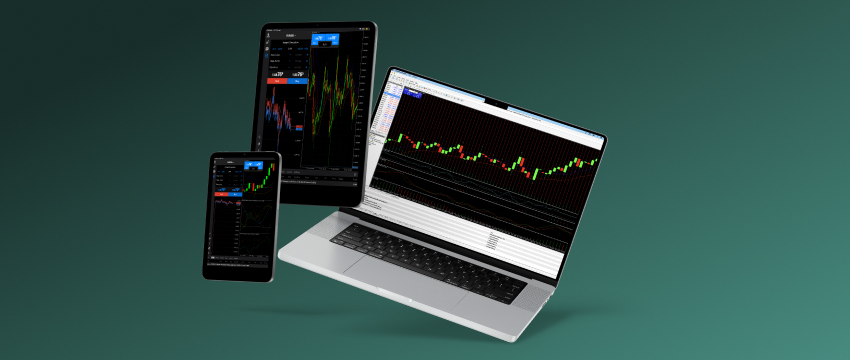
Las plataformas de trading profesionales ofrecen capacidades avanzadas de análisis gráfico, análisis en múltiples marcos temporales y herramientas sofisticadas de gestión de órdenes. MetaTrader 4 y MetaTrader 5, también disponibles en Trading Sphere, siguen siendo estándares del sector, ya que proporcionan una amplia variedad de indicadores técnicos y funcionalidades de trading automatizado.
Los calendarios económicos ayudan a los profesionales a realizar un seguimiento de los acontecimientos que pueden influir en los mercados. Las plataformas como MT4 ofrecen fuentes de noticias y actualizaciones del mercado integradas, lo que permite a los operadores mantenerse informados. No obstante, muchos profesionales recurren a calendarios económicos externos para obtener información más detallada y en tiempo real sobre la publicación de datos y las decisiones de los bancos centrales.
El software de gestión de riesgos calcula automáticamente el tamaño de las posiciones en función del capital disponible en la cuenta y de los niveles de riesgo previamente establecidos. Los operadores profesionales utilizan estas herramientas para mantener un nivel de riesgo uniforme en todas sus operaciones.
Aprovechar el análisis en múltiples marcos temporales
Los operadores profesionales de divisas analizan los mercados utilizando varios marcos temporales de forma simultánea Por ejemplo, pueden emplear gráficos diarios para identificar la tendencia general, gráficos de cuatro horas para determinar el momento adecuado de entrada y gráficos de 15 minutos para ejecutar las operaciones con mayor precisión.
Este enfoque aporta contexto para cada decisión de trading. Una señal alcista en un gráfico de 15 minutos tiene mayor relevancia cuando coincide con una tendencia alcista en los gráficos diarios. Por el contrario, las señales que van en contra de la tendencia suelen fracasar cuando se enfrentan al impulso a largo plazo.
La sincronización temporal adquiere una importancia fundamental al supervisar varios pares de divisas. Los operadores profesionales de divisas suelen centrarse en pares de divisas que comparten factores fundamentales similares, lo que les permite analizar de manera más eficiente los movimientos correlacionados.
Requisitos de capital y planificación financiera
El trading profesional de divisas requiere un capital considerable para generar ingresos significativos. La mayoría de los profesionales recomienda comenzar con un mínimo de entre 10.000 y 25.000 libras esterlinas para dedicarse seriamente al trading. Las cuentas más pequeñas limitan las opciones de tamaño de posición y aumentan la presión psicológica asociada a cada operación.
Es importante mantener expectativas realistas sobre los ingresos en los primeros años de su actividad como operador profesional de divisas. Incluso los operadores profesionales exitosos rara vez logran rendimientos mensuales constantes superiores al 5-10 %. La creación de patrimonio mediante el trading de divisas suele ser el resultado de años de crecimiento compuesto, más que de ganancias extraordinarias obtenidas de forma inmediata.
La diversificación ayuda a protegerse frente a la pérdida total del capital destinado al trading. Los operadores profesionales suelen contar con varias fuentes de ingresos, como la formación en trading, los servicios de señales o un trabajo a tiempo parcial, mientras consolidan su carrera profesional como operadores.
Cómo gestionar la psicología del trading y el estrés como operador profesional de divisas
El control emocional es uno de los factores que distingue a los operadores profesionales de divisas de los aficionados que no logran alcanzar el éxito. Los mercados generan una intensa presión psicológica debido a las rápidas fluctuaciones entre ganancias y pérdidas. Los profesionales desarrollan mecanismos que les permiten afrontar estas situaciones y mantener la objetividad durante los periodos de mayor tensión.
La meditación y el ejercicio físico ayudan a gestionar el estrés asociado al trading. Muchos operadores profesionales de divisas incorporan prácticas diarias de meditación para mejorar la concentración y fortalecer el control emocional. La práctica regular de ejercicio físico ayuda a aliviar el estrés y a mantener una buena condición física durante las largas sesiones de trading.
Los diarios de trading registran tanto el rendimiento como los estados emocionales. Los operadores profesionales de divisas no solo registran los detalles de cada operación, sino también su estado mental en el momento de tomar cada decisión. Esta documentación revela patrones psicológicos que afectan el rendimiento.
Primeros pasos: tu camino para convertirte en operador profesional de divisas
El primer año debe centrarse por completo en la formación y la práctica con cuentas demo. Estudia los fundamentos del mercado, el análisis técnico y los principios de gestión del riesgo. Practica en cuentas demo mientras desarrollas y perfeccionas tu sistema de trading.
Durante el segundo año, comienza a operar con dinero real utilizando tamaños de posición reducidos y mantén registros detallados de tu rendimiento. Concéntrate en la constancia en lugar de en las ganancias. Muchos profesionales consideran que alcanzar el punto de equilibrio durante su segundo año es un logro significativo.
El tercer año suele marcar la transición hacia tamaños de posición más grandes y estrategias más sofisticadas. Los operadores exitosos a menudo logran resultados sostenidos durante esta etapa. Quienes continúan encontrando dificultades deberían reevaluar su enfoque o considerar otras opciones profesionales.
Conclusion
El camino para convertirse en un operador profesional de divisas exige paciencia, disciplina y aprendizaje continuo. El éxito requiere abordar el trading como un negocio serio no como una fórmula para ganar dinero rápidamente. Con una preparación adecuada y expectativas realistas, las personas comprometidas pueden desarrollar una carrera sólida en el trading y aprovechar las oportunidades que ofrecen los dinámicos mercados de divisas en 2026.
AVISO LEGAL: Esta información no se considera un asesoramiento de inversión ni una recomendación de inversión, sino que es una comunicación de marketing.