





Gold market volatility continues to attract attention as precious metals respond to changing economic conditions. Recent market data shows gold prices falling below $4,400 following stronger-than-expected U.S. jobs data and shifting interest-rate expectations. These developments highlight how quickly sentiment and price movements can change in the gold market.
What Drives Gold Market Volatility
Gold’s reputation as a safe haven doesn’t mean its price remains steady. Far from it. The precious metal experiences significant swings driven by multiple interconnected factors.
Economic uncertainty typically pushes investors toward gold. When stock markets tumble or currencies weaken, gold often benefits. However, this relationship isn’t always predictable.
Central bank policies play a massive role. Interest rate decisions directly impact gold’s appeal since the metal doesn’t pay dividends or interest. When rates rise, gold becomes less attractive compared to yield-bearing assets.
Federal Reserve Influence
The Federal Reserve’s monetary policy creates some of the most dramatic movements in gold. Rate hike expectations can send gold tumbling, whilst dovish signals often spark rallies.
Recent market movements demonstrate this perfectly. Strong employment data reduced expectations for Federal Reserve rate cuts, contributing to gold’s slide below $4,400. This shows how quickly sentiment can shift.
Currency fluctuations add another layer of complexity. Since gold trades in US dollars, a stronger dollar typically pressures gold prices lower, whilst dollar weakness often supports higher gold valuations.
Global Economic Tensions
Geopolitical events create sudden spikes in gold market volatility. Trade wars, military conflicts, and diplomatic tensions can trigger rapid price movements as investors seek safety.
China’s consistent gold purchases illustrate how sovereign demand influences prices. Their 19-month buying streak provides underlying support, even during periods of broader market weakness.
Supply disruptions from major mining regions also impact volatility. Production issues, labour strikes, or regulatory changes in key gold-producing countries can create supply-side price pressures.

How Economic Data Impacts Gold Prices
Gold responds swiftly to economic releases, often moving dramatically within minutes of data publication. Understanding these relationships helps traders anticipate potential volatility spikes.
Employment figures carry particular weight. Strong job numbers typically strengthen currencies and reduce safe-haven demand, pressuring gold lower. Conversely, weak employment data often supports gold prices as recession fears grow.
Inflation readings create complex dynamics. Whilst gold traditionally serves as an inflation hedge, rising prices also increase pressure for higher interest rates, which can weigh on gold valuations.
Consumer confidence surveys and manufacturing indices provide sentiment indicators that influence volatility in the gold market. Positive economic sentiment reduces safe-haven demand, whilst negative readings boost gold’s appeal.
Gold Market Volatility Indicators
The VIX volatility index often correlates with gold movements. During periods of heightened stock market fear, both the VIX and gold prices typically rise as investors seek protection.
Recent market turmoil, including the Nasdaq and S&P 500’s worst day of the year, demonstrates how equity volatility spills over into precious metals markets. Gold often benefits during these episodes.
However, this relationship isn’t guaranteed. Sometimes gold falls alongside stocks if liquidity concerns force investors to sell all assets, regardless of traditional safe-haven status.
Technical Factors Behind Price Swings
Chart patterns and technical levels contribute significantly to gold market volatility. Key support and resistance zones often generate substantial trading activity when prices approach these levels.
Moving averages act as dynamic support and resistance. When gold breaks above or below major moving averages, it often triggers momentum-driven moves that amplify volatility.
Options expiry dates create additional volatility as large positions unwind. Monthly and quarterly expiries can generate significant price swings as market makers adjust their hedging positions.
Algorithmic Trading Impact
High-frequency trading algorithms now dominate gold markets, contributing to increased price swings in gold. These systems can amplify price moves, creating rapid spikes and reversals.
Stop-loss orders clustered around key technical levels can trigger cascading moves. When prices breach these levels, automated selling or buying can accelerate price movements beyond fundamental justifications.
Volume patterns provide clues about potential volatility. Low-volume environments often experience larger price swings since fewer trades are needed to move prices significantly.
Managing Gold Market Volatility as a New Trader
Understanding volatility in the gold market is crucial before placing your first trade. The precious metal’s price swings can be substantial, creating both opportunities and risks for newcomers.
Position sizing becomes critical when dealing with volatile assets. Starting with smaller positions allows you to experience gold’s price movements without risking significant capital on single trades.
Risk management tools help protect against adverse moves. Stop-loss orders can limit downside exposure, though they’re not guaranteed in volatile markets where prices can gap significantly.
Educational Preparation
Before trading gold, study how different news events typically impact prices. Economic calendars highlight upcoming data releases that might trigger gold market volatility spikes.
Practice with demo accounts helps you understand how gold responds to various market conditions without financial risk. This experience proves invaluable when transitioning to live trading.
Trading Sphere offers 300+ instruments including precious metals trading. Their platform includes volatility indicators and risk management tools designed for gold market participants.
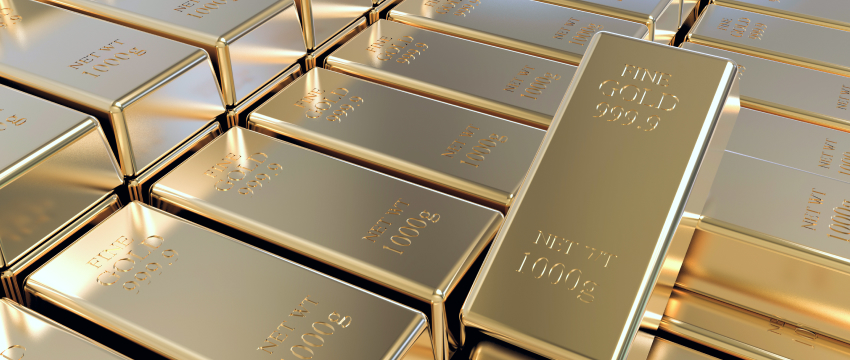
Gold Market Volatility in Today’s Markets
Today’s gold market faces unique challenges. Persistent inflation concerns compete with rising interest rate expectations, creating a complex environment for price discovery.
Market analysts describe current conditions as potentially facing a “volatility spasm” that could test recent market gains. This environment requires careful attention to position management and risk control.
The combination of central bank purchases, retail investor interest, and institutional trading creates a dynamic marketplace where fluctuations in gold princes remain elevated compared to historical norms.
Conclusion
Whether you’re considering your first gold trade or seeking to understand market dynamics better, remember that gold market volatility reflects the metal’s role as both an investment asset and a safe-haven refuge. This dual nature ensures that price swings will continue as economic conditions evolve and investor sentiment shifts.
DISCLAIMER: This information is not considered as investment advice or an investment recommendation, but is instead a marketing communication.