From basic to advanced concepts, cut through the noise with the latest market insights and practical knowledge across forex, shares, crypto, commodities and more – all in one market sphere.
All trading involves risk. It is possible to lose all your capital.
All Markets.
One Trading Sphere
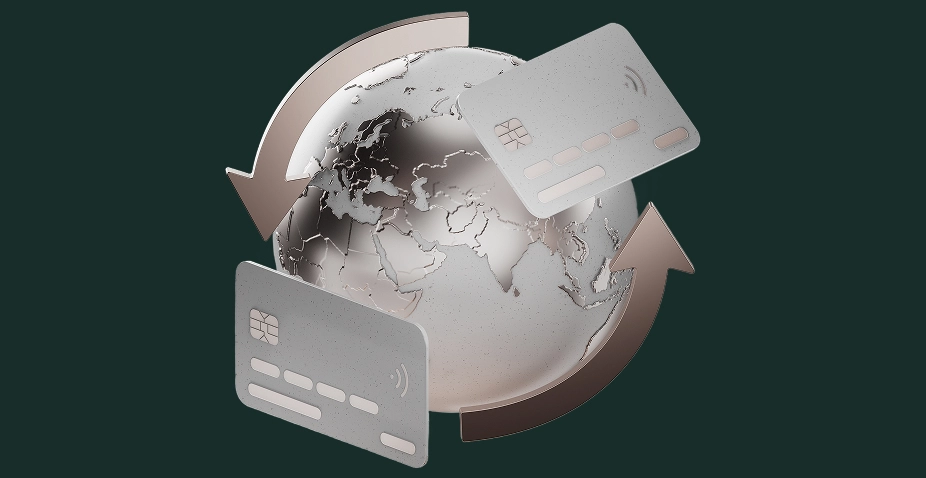
Access global markets within a flexible, trader-first environment. Competitive conditions, powerful platforms and tools built to help you trade on your own terms.
All trading involves risk. It is possible to lose all your capital.
Need help?
Reach out
Ready to “trade outside the box” with Trading Sphere? Our multilingual support team is available 24/5 to help you get started or answer any questions you may have.
This website is not directed at EU residents and falls outside the European and MiFID II regulatory framework. Please click below if you wish to continue to Trading Sphere anyway.